
 لالعربية



Product Name: Boiler pH Conditioning Agent
Performance Specifications:
Item | Specification |
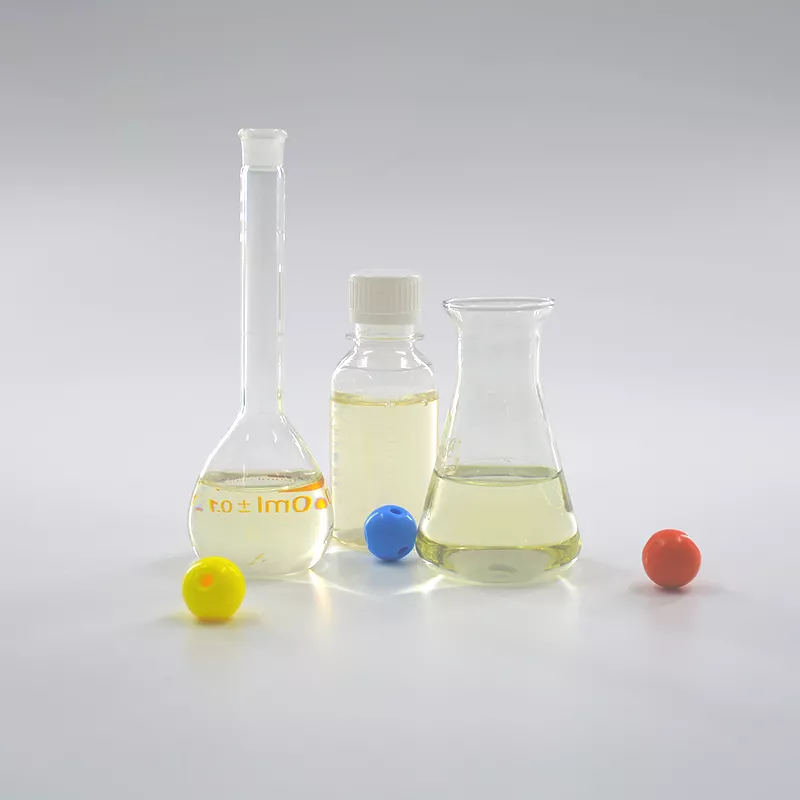
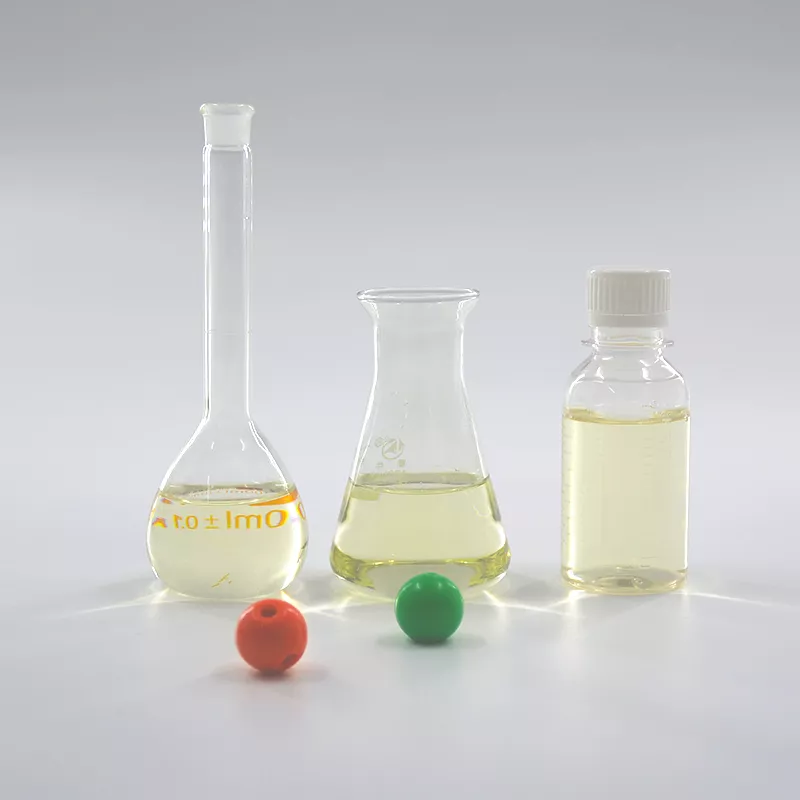
Appearance | Colorless to light yellow transparent liquid |
pH (1% aqueous solution) | ≥ 9 |
Density (20°C) | 0.8 - 1.10 g/cm³ |
Product Description:
This product is a boiler condensate corrosion inhibitor formulated by blending neutralizing and filming agents. It provides two complementary effects: neutralization and film formation, effectively inhibiting corrosion in steam return lines caused by oxygen and carbon dioxide. The neutralizing agent neutralizes carbonic acid in the condensate, raising its pH to facilitate easier film formation. The filming agent forms a monolayer, water-resistant protective film on pipeline surfaces, safeguarding the return lines from corrosion by carbonic acid and oxygen. Key advantages include: effective removal of residual rust to improve exchange efficiency; reduction of iron content in condensate; enhancement of boiler operational efficiency; adjustment of boiler water pH to prevent corrosion caused by excessively high or low pH levels; protection of steam pipeline systems; and extension of service life.
Usage Instructions:
The recommended dosage is 60-100 ppm. It should be fed via a metering pump into the boiler feedwater tank, deaerator, or the suction inlet of the deaerator feedwater pump.
Packaging, Storage, and Transportation:
(1) This product is packaged in blue plastic drums: 25 kg/drum, 1 ton/drum, or as specified by customer requirements.
(2) Store this product in a dark, ventilated warehouse away from ignition sources and high temperatures. Storage temperature should not exceed 30°C.
(3) Store separately from flammable materials, combustibles, acids, alkalis, and other substances. Avoid mixed storage.
Safety Protection:
(1) Avoid inhalation and ingestion. Operators must wear protective goggles, acid/alkali resistant gloves, a 3M mask, and a safety helmet. Wear acid/alkali resistant protective clothing if necessary.
(2) Do not eat or drink during work. Ensure adequate ventilation or local exhaust. Wash hands thoroughly with soap and water after handling.
(3) Prevent impact during loading and unloading. Ensure seals are intact and avoid damage to packaging and containers.
(4) During loading and unloading, ensure containers do not leak, collapse, or become damaged. Prevent splashing of the solution to avoid injury.


