
 لالعربية


Model Number: SGR1906W
Product Name: Boiler PH regulator
performance index:
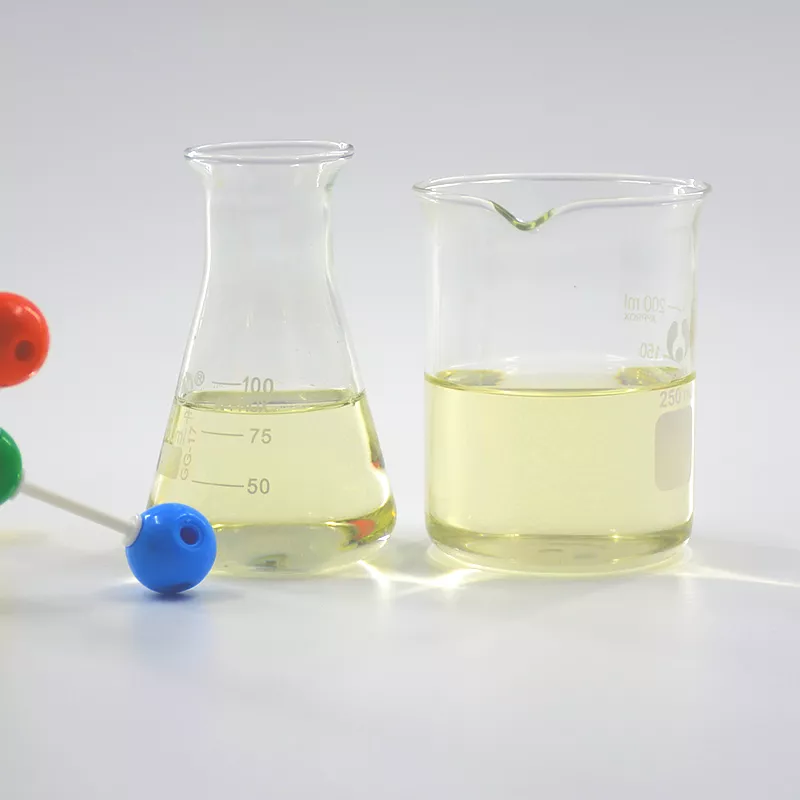
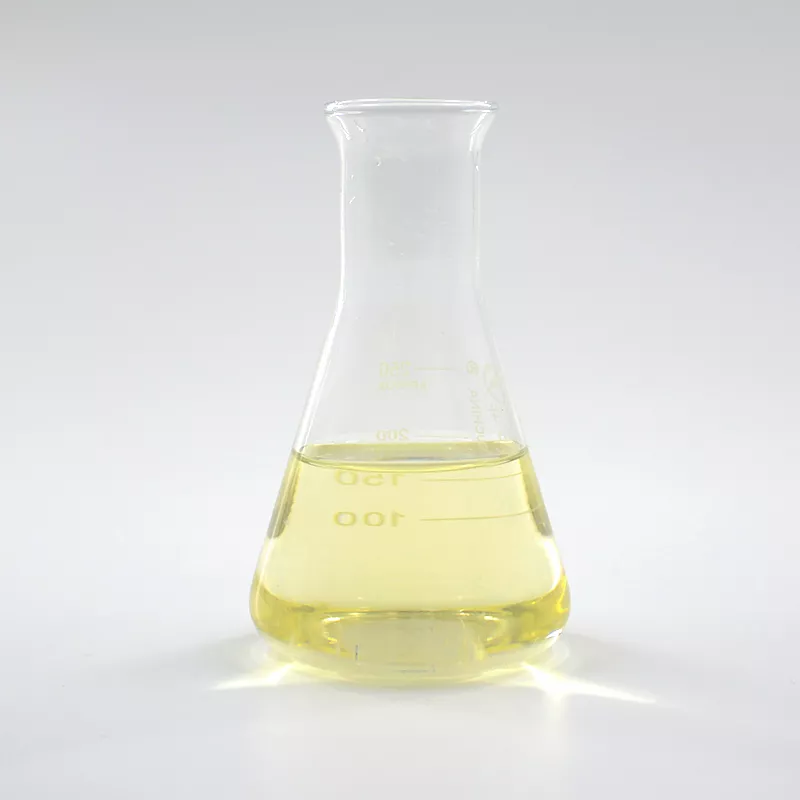
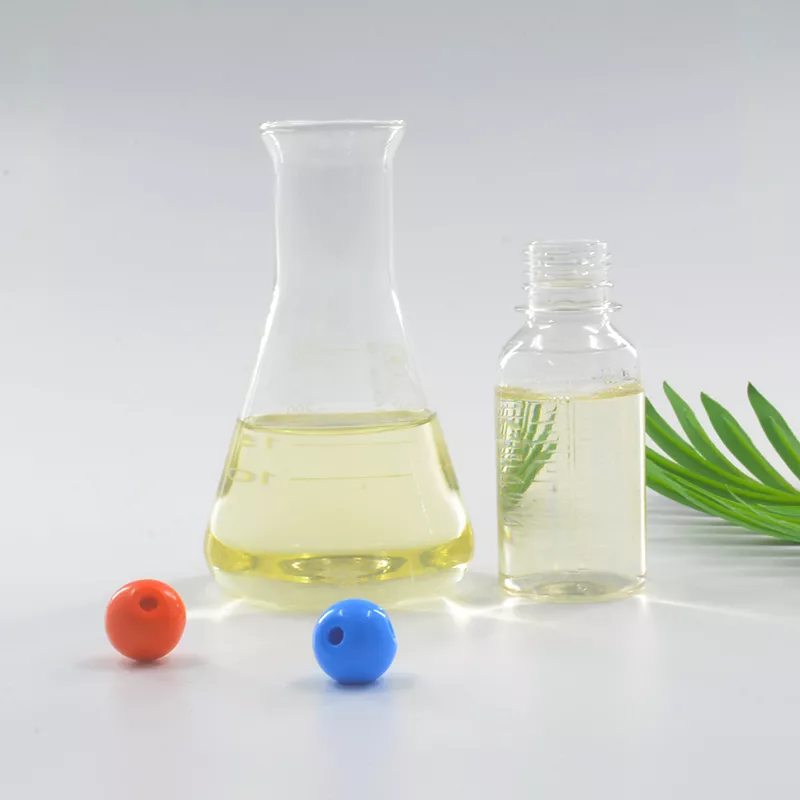
product appearance | Colorless to pale yellow, transparent liquid |
PH | ≥12 |
Base value of mgKOH / g | 555.0-613 |
Density g/cm3 | <1.0 |
product presentation:
This product is a variety of agents mixed boiler recycling water corrosion inhibitor, agent is given priority to with alkaline chemicals, add buffer, synergist, stabilizer, agent can neutralize the recovery of carbon dioxide in the water, after adding can effectively improve the boiler feed water PH, inhibit steam recovery line corrosion caused by oxygen and carbon dioxide. Raise the PH of the recycled water to protect the recycled line from the corrosion of carbonate and oxygen. At the same time, it has the function of removing residual rust to improve the exchange efficiency, reduce the iron in the recovered water, prevent the corrosion caused by low pH value, protect the steam pipeline system, and prolong the service life.
Usage method:
①It is used as a PH regulator for boiler feed water, with a dosage of 40-50 PPM. It is advisable to add it to the boiler feed water tank, deaerator or the suction inlet of the deaeration feed water pump through a metering pump.
②In boiler systems where ammonia is used to adjust the feedwater pH, this product serves as a neutralizing amine in steam condensate. The dosage is 3-5 grams per ton of feedwater, and the agent should be directly added to the steam drum.
Packaging and storage and transportation:
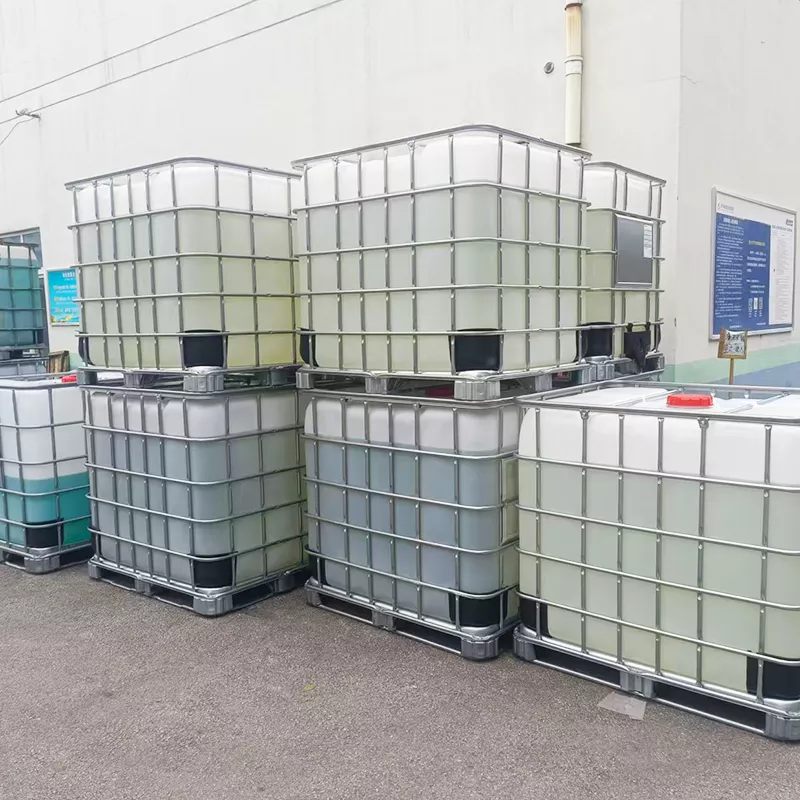
(1) This product is packaged in blue plastic bucket, 25 Kg / barrel, 1t / barrel or determined according to customer needs.
(2) The product is stored in a dark, ventilated warehouse, and far away from the fire and high temperature, and the storage temperature should not exceed 30℃.
(3) with flammable, combustible, acid, alkali and other substances, avoid mixed storage.
Safety and protection:
(1) Avoid inhalation and feeding. Operators must wear protective glasses, anti-acid-alkali gloves, 3M masks and safety helmets, and wear anti-acid-alkali protective clothing when necessary.
(2) Do not eat or drink water during work, pay attention to ventilation or local air exhaust, and wash hands with soap and water after work.
(3) Prevent collision during loading and unloading, pay attention to sealing, and prevent damage to packaging and containers.
(4) During the loading and unloading process, ensure that the container does not leak, collapse or damage to prevent the solution from splashing out during the loading and unloading process.


