لالعربية


Product name: sulfide alkali mother liquid evaporation scale inhibitor
Main components: organic phosphonates, phosphonic carboxylic acid, polycarboxylic acid, dendrimer scale resistance dispersant, etc.
physicochemical indexes:
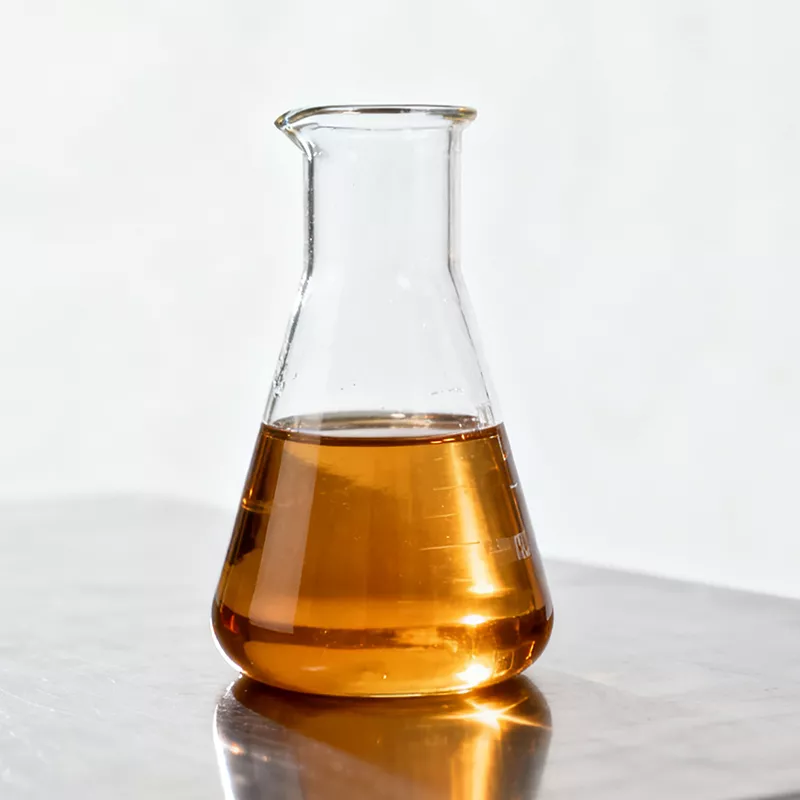
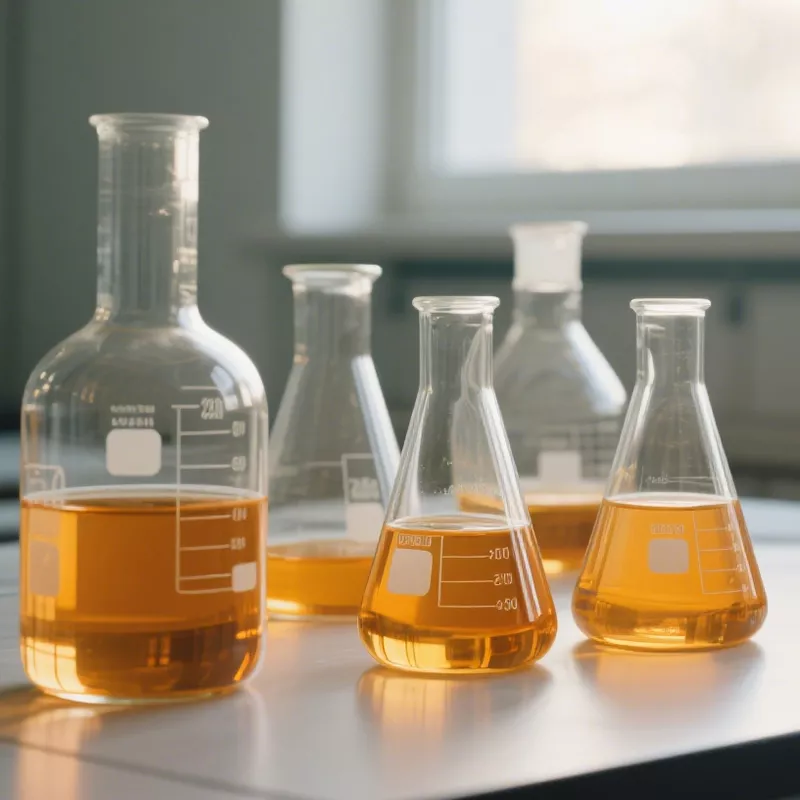
product appearance | Amber, transparent liquid |
PH (1% aqueous solution) | ≥6 or ≤ 3 |
Density (20℃) | ≥1.1g/cm3 |
Solid content | ≥ 30% |
water-insoluble (%) | ≤0.1 |
Performance and purpose:
The evaporation scale inhibitor of sulfide alkali mother liquor is composed of organic phosphonate, phosphonic carboxylic acid, polycarboxylic acid scale resistance dispersant, viscosity reducer, surfactant, etc. This product can effectively slow down the scaling of barium sulfate, strontium sulfate, barium carbonate, magnesium carbonate and other substances formed during the evaporation of the mother liquor of sodium sulfide produced by the nitrate-sodium sulfide method for the production of barium sulfate. Through chelating capacity enhancement and lattice rhetoric, the agent can achieve scale resistance. The dispersant will also chemically react with the dirt on the surface of the evaporator, so that it is not easy to precipitate and attach on the surface of the evaporator and peel off the old scale. Ensure the surface cleaning of the evaporator, improve the heat conduction speed, and prolong the service life and cleaning cycle of the equipment.
This product has a very good effect on inhibiting the precipitation or precipitation of barium sulfate, strontium sulfate, barium carbonate and magnesium carbonate.
Method: Dilute the SGR-1106 special scale and dispersion inhibitor in the dosing tank and then add it to the evaporator along with the wastewater through a metering pump in accordance with the metering. It can also be directly added to the original solution. The general dosage is 30 to 50ppm, and the specific dosage should be determined based on the water quality. Before using the chemical agent, the dosing tank and pipelines should be thoroughly flushed and replaced to avoid affecting the usage effect.