
 لالعربية




Product Name: Boiler Oxygen Scavenger
Physicochemical Indicators:
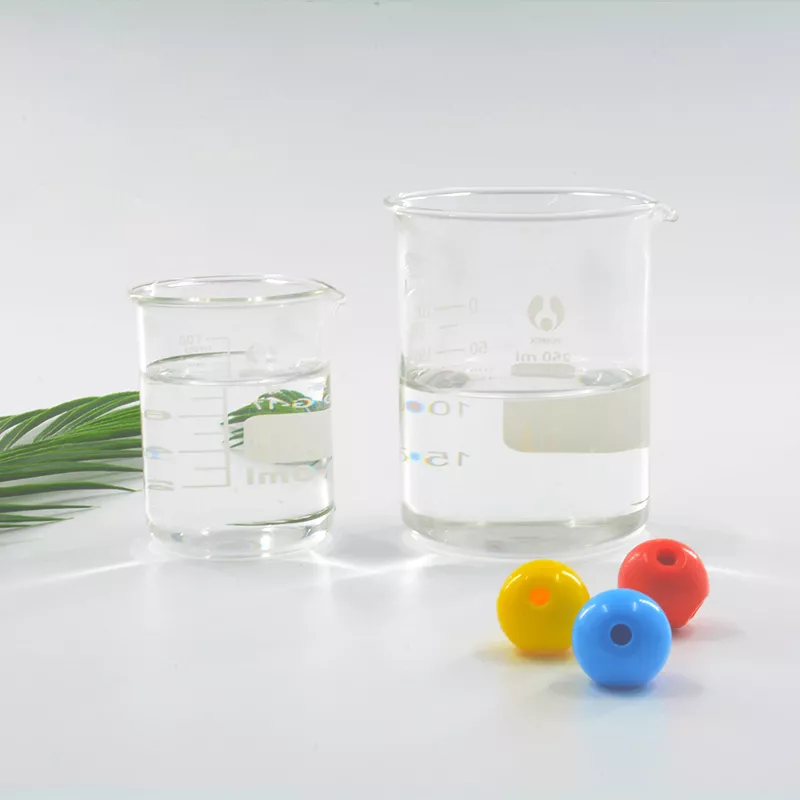
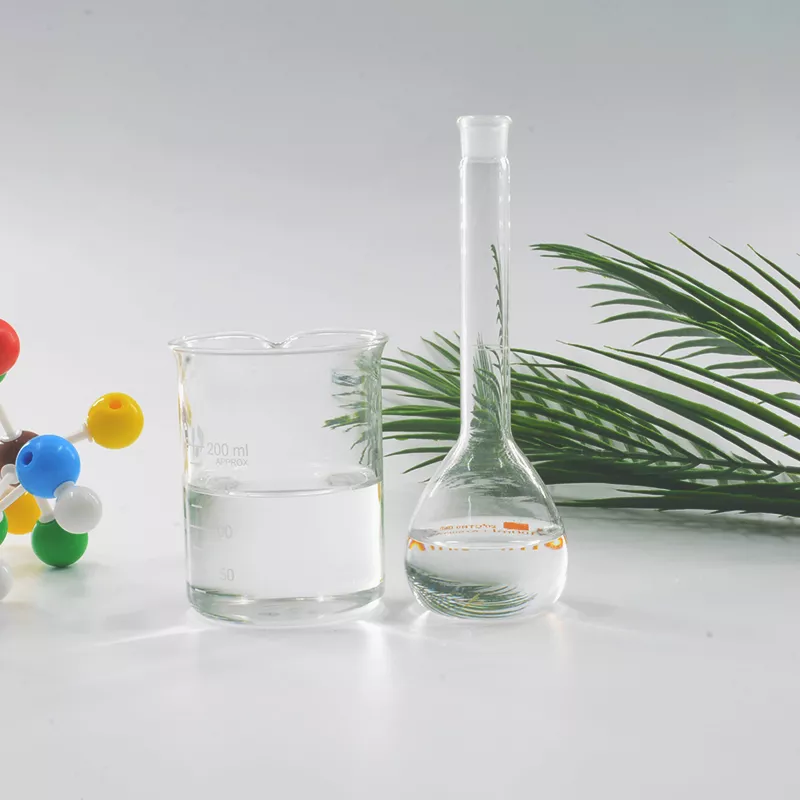
Appearance | Colorless liquid |
Density (20°C), g/cm³ | 0.98-1.04 |
pH Value (1% aqueous solution) | ≥9.0 |
Scope of Application: Used in steam boilers, hot water boilers, heating systems, and other closed hot water systems in power plants and other industries to remove dissolved oxygen from process water and prevent damage to equipment caused by dissolved oxygen in the water.
Performance Characteristics:
① Efficient Oxygen Removal: This product can rapidly react with dissolved oxygen in water, converting it into harmless compounds, thereby completely eliminating dissolved oxygen.
② Corrosion Prevention: Forms an efficient and reliable protective anti-corrosion film on the metal surface of the boiler, effectively preventing damage such as pitting caused by corrosion from harmful gases and ions in the boiler water.
③ Economical and Safe: Eliminates potential accidents caused by oxygen corrosion, ensures safe equipment operation, reduces downtime and repair costs due to oxygen corrosion damage, and extends equipment service life.
Usage Method:
① Dosage:
For low-pressure boilers without a deaerator: Add 25g-30g of this product per ton of make-up water.
For medium/high-pressure boilers with a deaerator: Add 0.1g of this product per ton of make-up water.
Add proportionally during make-up water addition.
② Application:
Adjust the dosing pump flow rate according to the boiler feed water volume.
Feed the product into the feed water pipeline proportionally via the dosing pump at the inlet of the feed water pump or the outlet of the deaerator tank.
The product can be added neat (as supplied) or diluted 50-100 times before dosing, especially when the dosage is low.
Precautions:
① The dosing tank must be well-sealed. The inlet ports for the neat product and dilution water should be fitted with well-sealing stainless steel rings.
② The preparation and measurement process for the diluted solution should be completed quickly to minimize the product's exposure time to air.
③ This product can cause skin burns. Operators must wear intact rubber protective gloves during handling and use. If the product accidentally contacts the skin, rinse immediately with plenty of running water.
④ The vapors from this product have an unpleasant odor. Ensure the usage area is well-ventilated.


