لالعربية

Product Name: Special Cleaning Agent for Plate Heat Exchangers
Technical Indicators:
Name | Indicator |
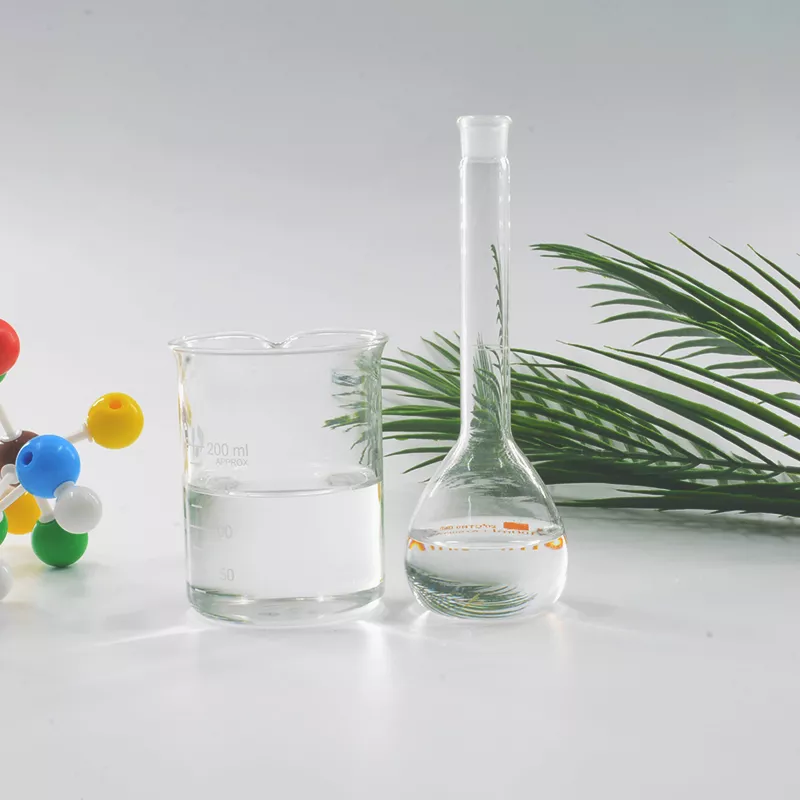
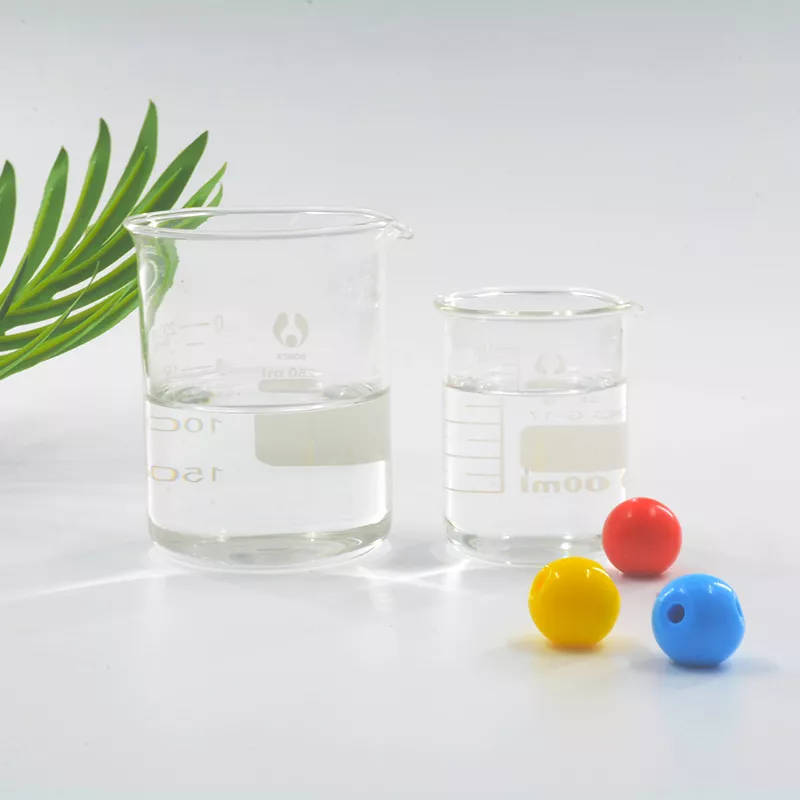
Appearance | Colorless transparent liquid |
Specific Gravity (25°C, g/cm³) | ≥1.15 |
pH(Concentrate) | <1.5 |
Properties and Uses: This product is compounded from highly efficient special chelating agents, promoters, and penetrants. It can quickly remove various mixed deposits such as carbonate scale, rust, welding slag, and suspended solids from within plate heat exchangers. It is chloride-free and will not cause intergranular corrosion or pitting corrosion on stainless steel materials, avoiding the various corrosive damages caused by ordinary acid cleaning to stainless steel plate heat exchangers. It is safe, environmentally friendly, has no irritating odor, causes no harm to personnel, and is non-polluting to the environment. It is easy to operate.
Usage Method: Before adding the chemical, flush the inner surface with demineralized water to remove sediment and loose dirt, reducing chemical consumption. Depending on the specific equipment conditions, soaking or circulation cleaning can be used. Select an appropriate cleaning concentration based on the degree of scaling and specific working conditions; the addition concentration is above 10%, with the specific usage concentration determined by small-scale tests. Heating the cleaning solution before use can significantly improve cleaning efficiency, especially for difficult-to-dissolve rust scale, with remarkable effects.
Specific cleaning steps are as follows:
(1) Connect the equipment to be cleaned, the mixing tank, and the circulation cleaning pump with metal or rubber/plastic hoses to form a temporary cleaning system. Fill with water and check for leaks until qualified.
(2) Flush the system with clean water until the outflow is clear. Drain part of the system water, then add the cleaning agent to the system for circulation. For easily soluble deposits, cleaning at room temperature with circulation is sufficient. For difficult-to-dissolve scale and heavy rust, heat the system cleaning solution to above 50°C, which can significantly shorten the cleaning time.
(3) During the cleaning process, periodically analyze the calcium ion and total iron content in the cleaning solution. When the concentrations of total iron and calcium ions remain stable and stop increasing for an extended period under stable cleaning conditions, the cleaning process can be concluded.
(4) After draining the spent cleaning solution from the equipment, put it directly into operation or rinse thoroughly with clean water for standby use.
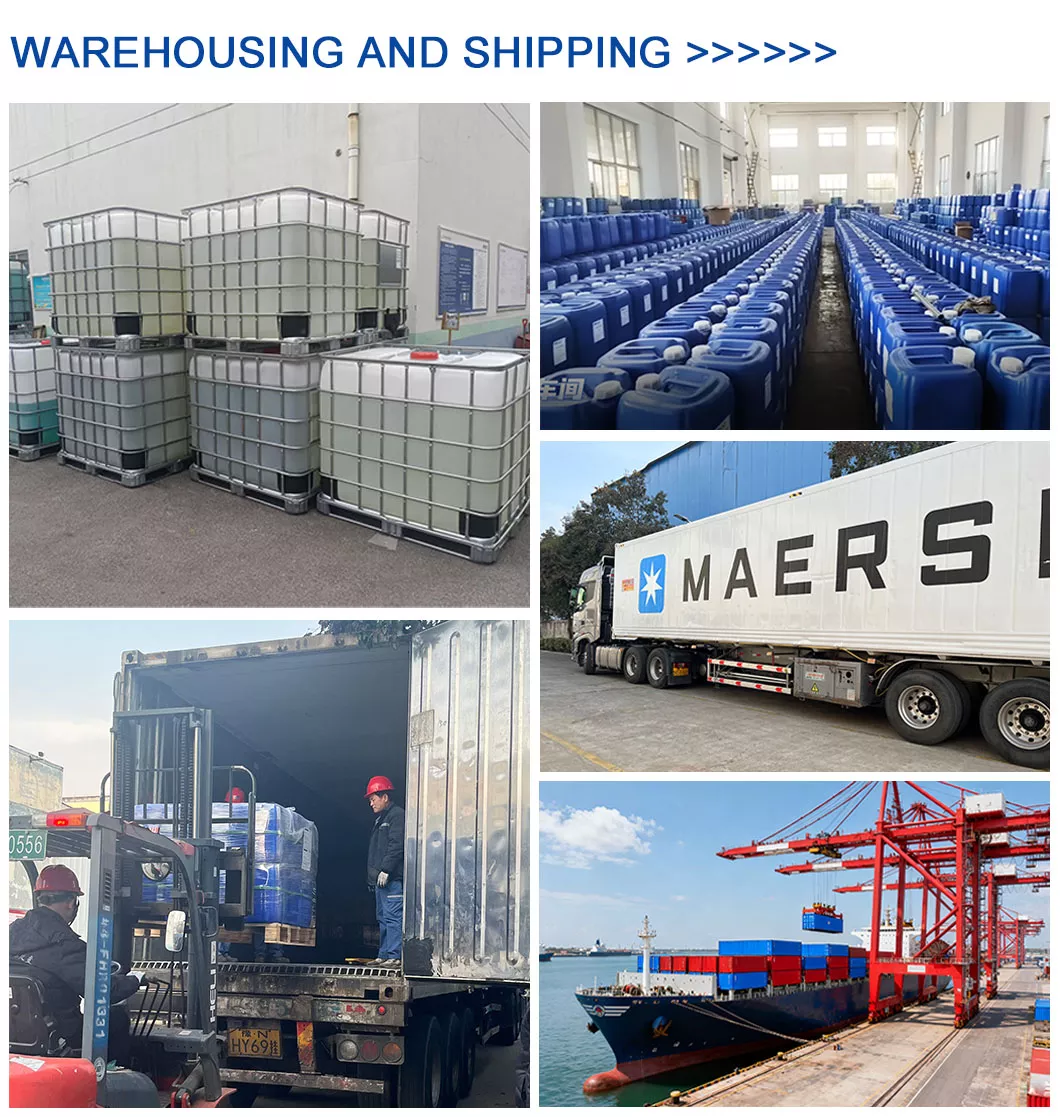
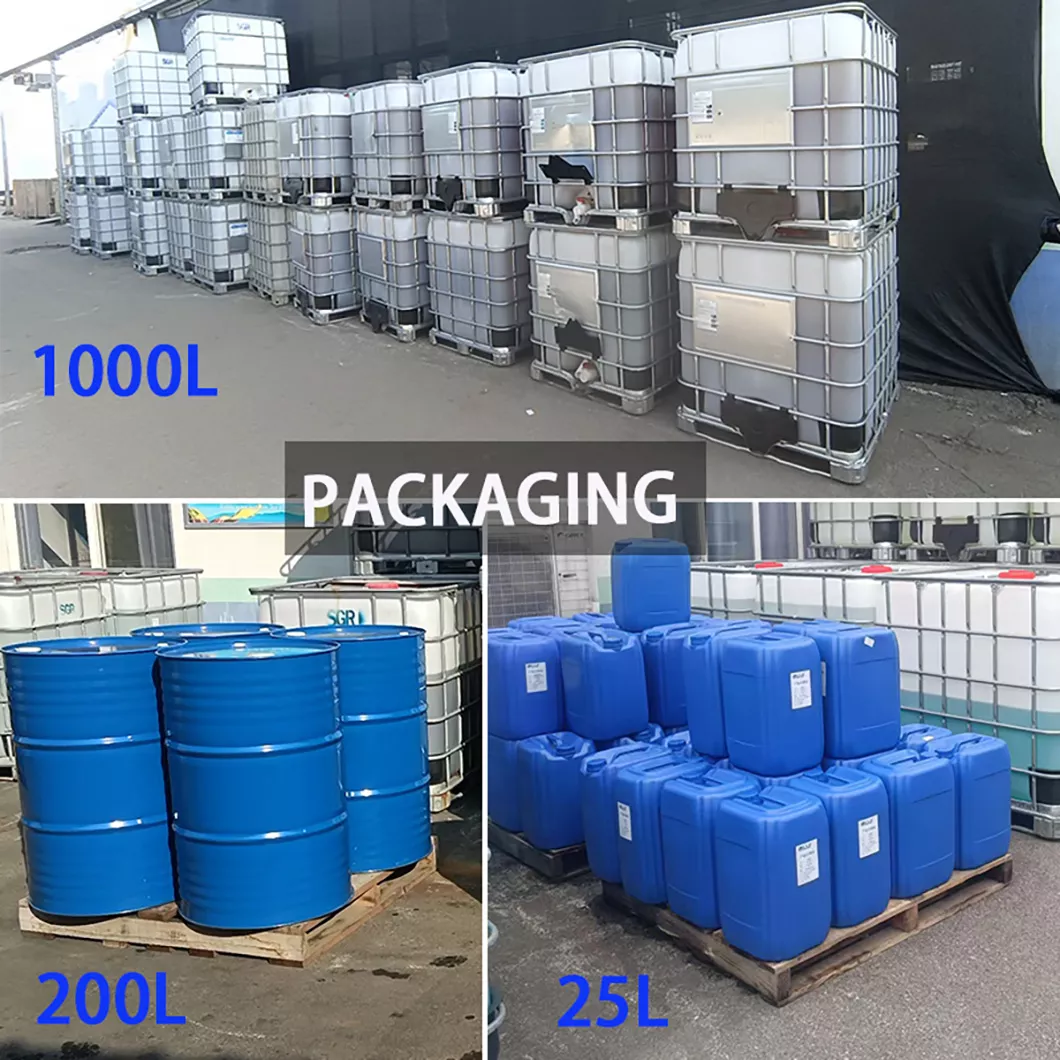
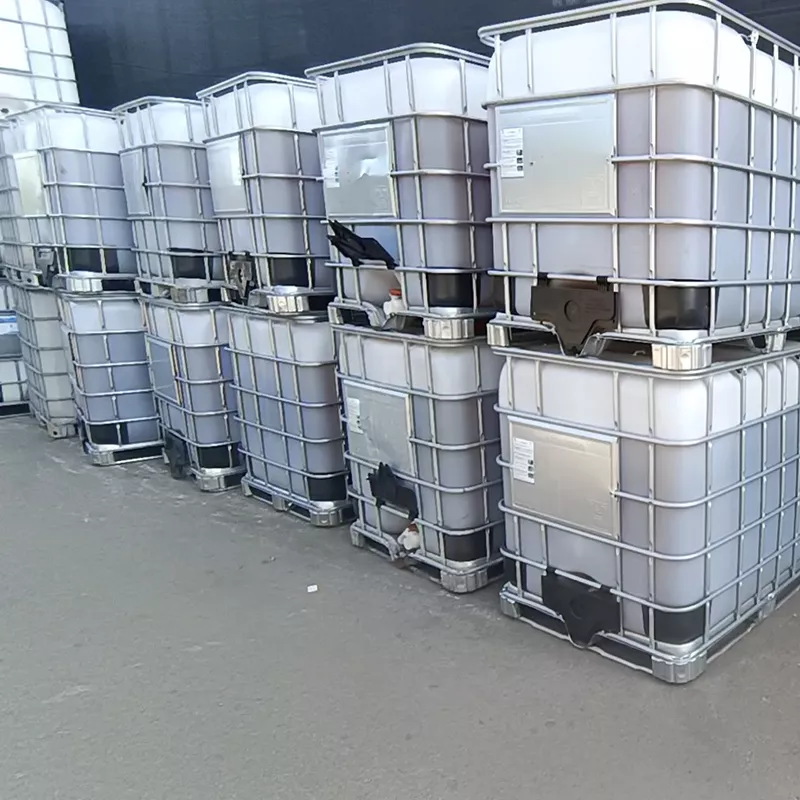
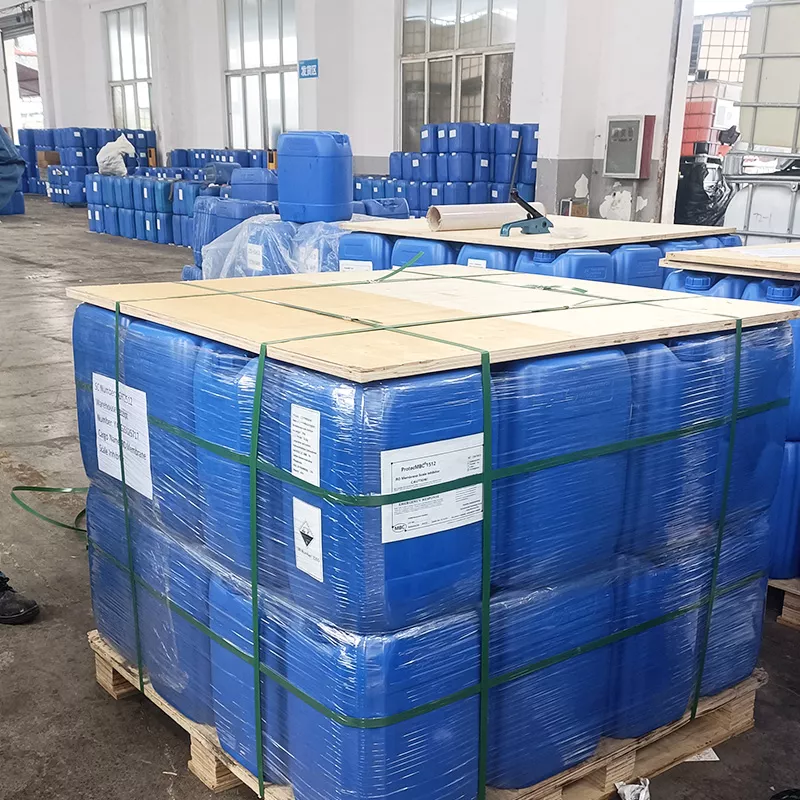
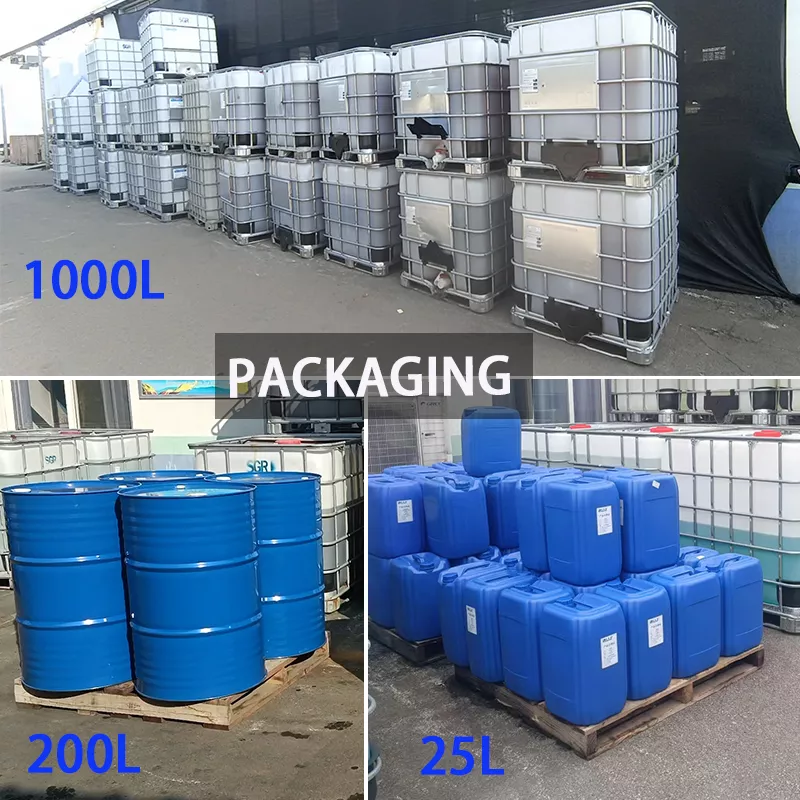
Packaging and Storage: Packaged in 25kg plastic barrels or according to customer requirements. Store at room temperature in a cool, dry place.
Safety Precautions: This is an acidic product. Pay attention to labor protection during operation. Avoid contact with skin, eyes, etc. In case of contact, rinse thoroughly with plenty of clean water.